
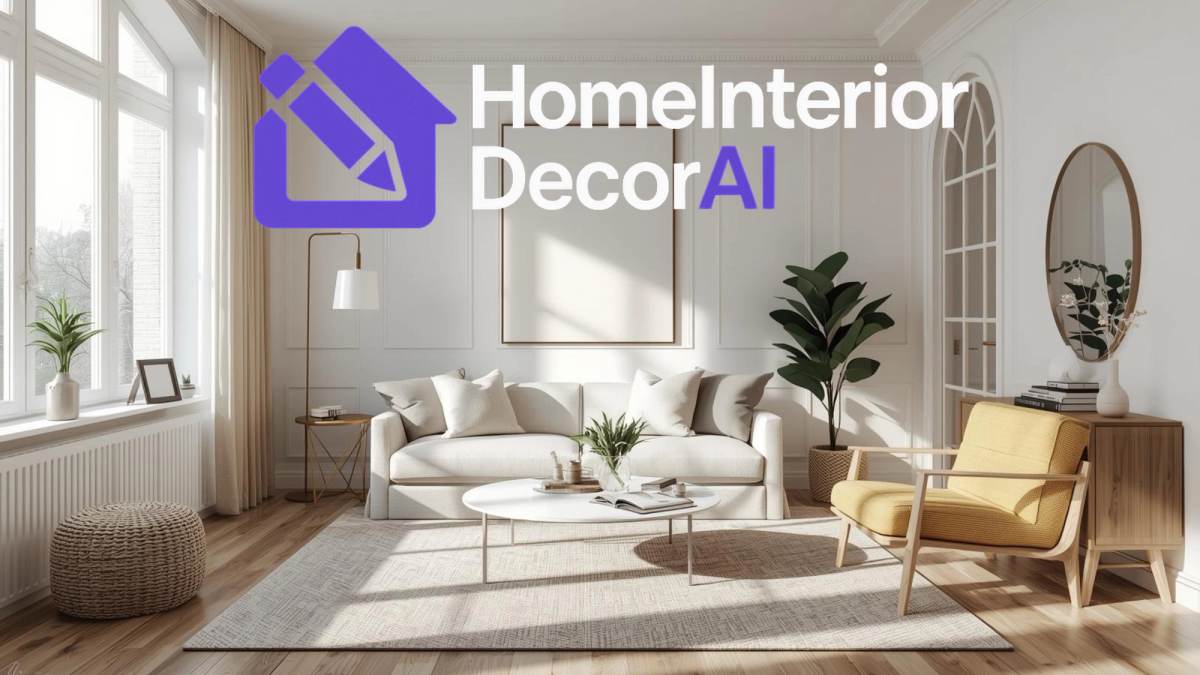
Have you ever walked into a room that just felt "off"? Usually, the problem isn't the furniture itself—it’s the placement. Whether you are dealing with a long, narrow living room or a tiny studio apartment, how you arrange your pieces determines if a room feels like a sanctuary or an obstacle course.
At home-interior-decor.com, we believe you shouldn't have to be an architect to have a functional home. Here are the evergreen rules of furniture placement, and how you can use AI to solve your layout puzzles in seconds.
1. The Rule of Traffic Flow
A room should be easy to walk through. As a general rule, leave 30 to 36 inches of space for high-traffic walkways. In smaller rooms, you can get away with 24 inches, but anything less will feel cramped.
- Pro Tip: Avoid placing large pieces of furniture in the direct path between doors.
2. Create a Singular Focal Point
Every room needs a "star." It could be a fireplace, a large window with a view, or a television. Orient your main seating toward this focal point.
- The Mistake: Don't let your furniture compete. If you have a beautiful view and a TV, try to find an angle that acknowledges both without splitting the room in half.
3. The Conversation Circle
In a living room, chairs and sofas should be placed so that people can talk without shouting. Ideally, seating should be no more than 8 feet apart.
- The Rug Rule: All legs of the furniture should be on the rug, or at the very least, the front legs of all seating pieces should rest on it to "anchor" the space.
4. Balance is Not Symmetry
A balanced room doesn't mean everything has to be a mirror image. If you have a large, heavy sofa on one side, balance it with two smaller armchairs or a large bookshelf on the other. This prevents the room from feeling "tilted" to one side.
5. Don’t "Hug" the Walls
The biggest mistake people make in small rooms is pushing all the furniture against the walls. This actually makes a room feel smaller and more sterile. By "floating" your furniture even just a few inches away from the wall, you create shadows and depth that make the space feel more high-end.
Stop Measuring, Start Generating: Use AI to Find Your Layout
Even with these rules, visualizing a 2D floor plan in a 3D space is difficult. This is where home-interior-decor.com changes the game.
Instead of moving heavy sofas back and forth to see what fits, let our AI do the heavy lifting:
- Upload your room photo: Our AI detects the dimensions and architectural features of your space.
- Generate New Layouts: Select a design style (Modern, Rustic, or Minimalist) to see how different furniture scales and placements look in your actual room.
- Shop the Look: Found a layout that works? Our "Shop the Look" section provides direct links to furniture that fits those exact dimensions, ensuring your new layout is as functional as it is beautiful.
Conclusion: Design with Confidence
Furniture placement is a science, but with the right tools, it feels like magic. Don't settle for a room that feels "stuck." Visit our homepage today, upload your photo, and generate a layout that breathes new life into your home.


